By Manish Thapar, Head of Triveni
Experiential learning has always been at the heart of the Mahindra United World College of India (MUWCI). Over the 2024–25 academic year, it continued to be one of the strongest expressions of what makes the MUWCI experience distinctive: students learning with the world, not just about it.
At MUWCI, the Triveni Programme is where students put the UWC mission into practice, through service, creativity, activity, outdoor education and community-building. Last year, what stood out most to me was how students didn’t simply participate in experiential learning, they actively shaped it.
What experiential learning looks like at MUWCI
Experiential learning at MUWCI is designed to complement the IB Diploma Programme by helping students develop skills and perspectives that can’t be learnt through academics alone. It builds:
- Community and belonging in a diverse residential campus
- Confidence and leadership through student-led initiatives
- Empathy and responsibility through sustained service learning
- Resilience and self-awareness through outdoor and ecological education
- Global citizenship through dialogue, reflection, and real-world engagement
This is the “MUWCI difference”. Learning becomes real when students step outside the classroom and into lived experience.
Triveni: Not “extra”, but essential
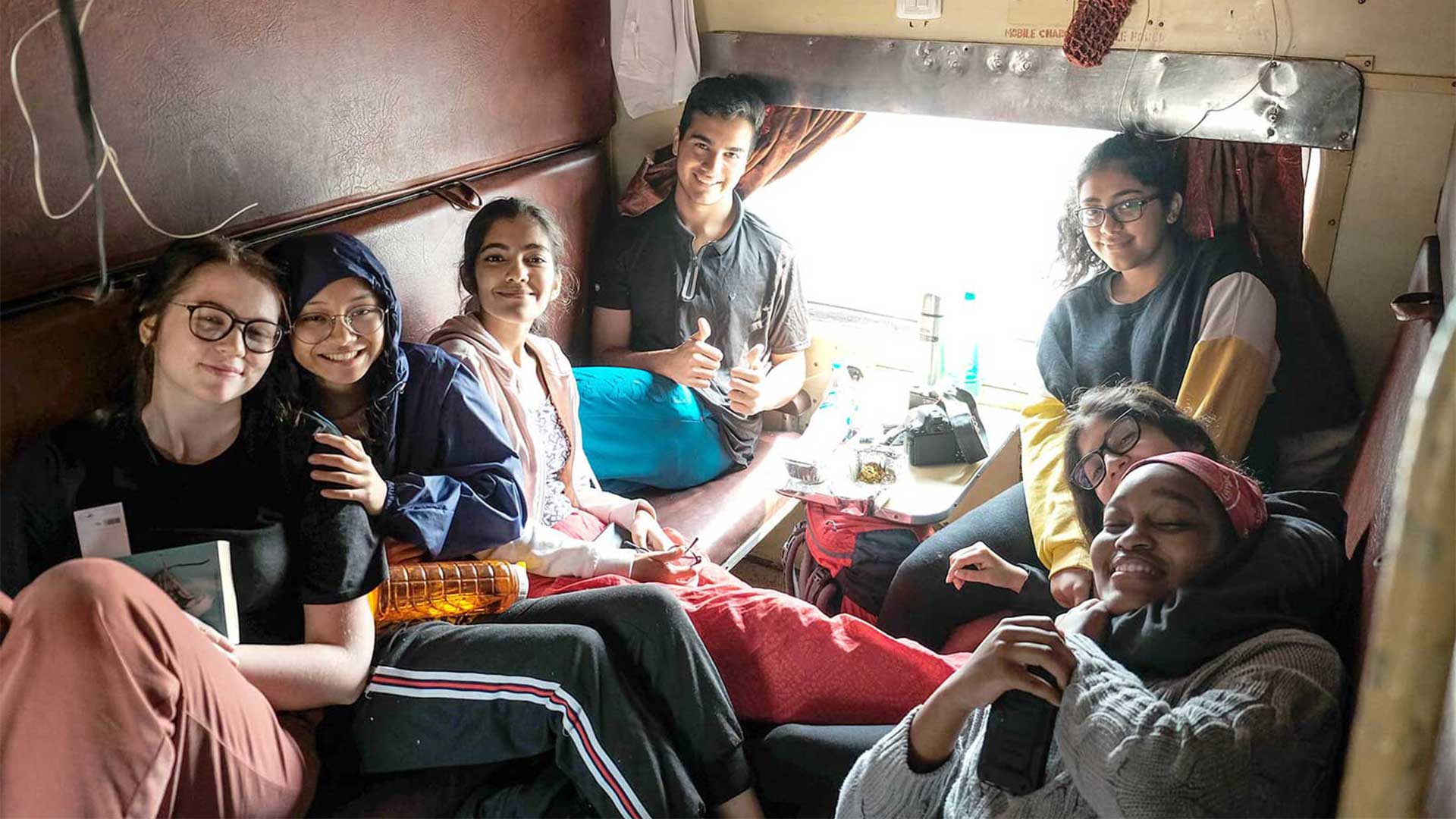
Triveni is often misunderstood as an additional layer of activity. At MUWCI, it is something else entirely. It is a term we use for our experiential learning programme that combines regular weekly activities, major flagship events such as theatre season and MUWCIlympics (our sports event), week-long off-campus travels, and cultural weeks.
It is an extension of the IB’s CAS programme, a structured space where students:
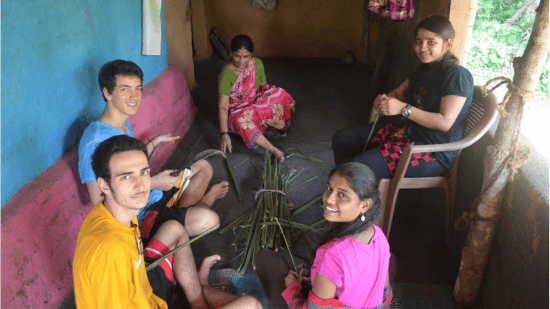
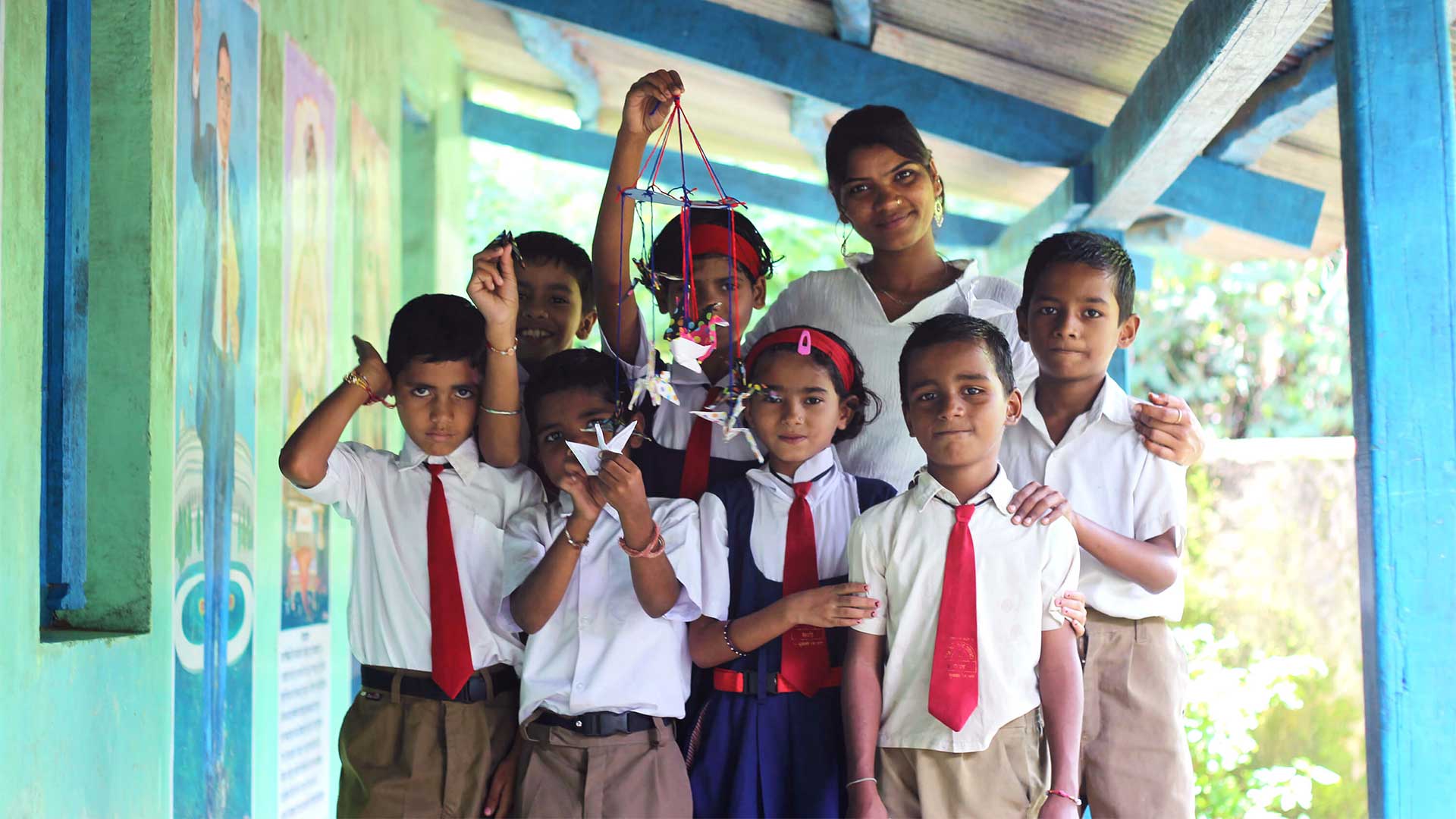
- Engage with local communities in the Mulshi Valley through long-term partnerships
- Explore creativity and culture beyond their familiar contexts
- Build physical and mental stamina through outdoor learning
- Learn to reflect, connecting experience to purpose
What makes Triveni unique at MUWCI is that it’s not just ‘extra’. It’s woven into who we are.
MUWCIlympics: Designing inclusive community experiences
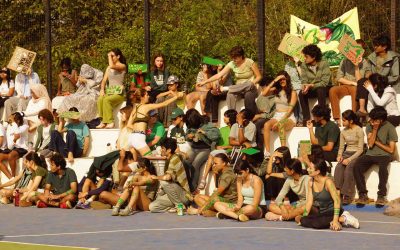
One of the moments that captured the spirit of this academic year was MUWCIlympics.
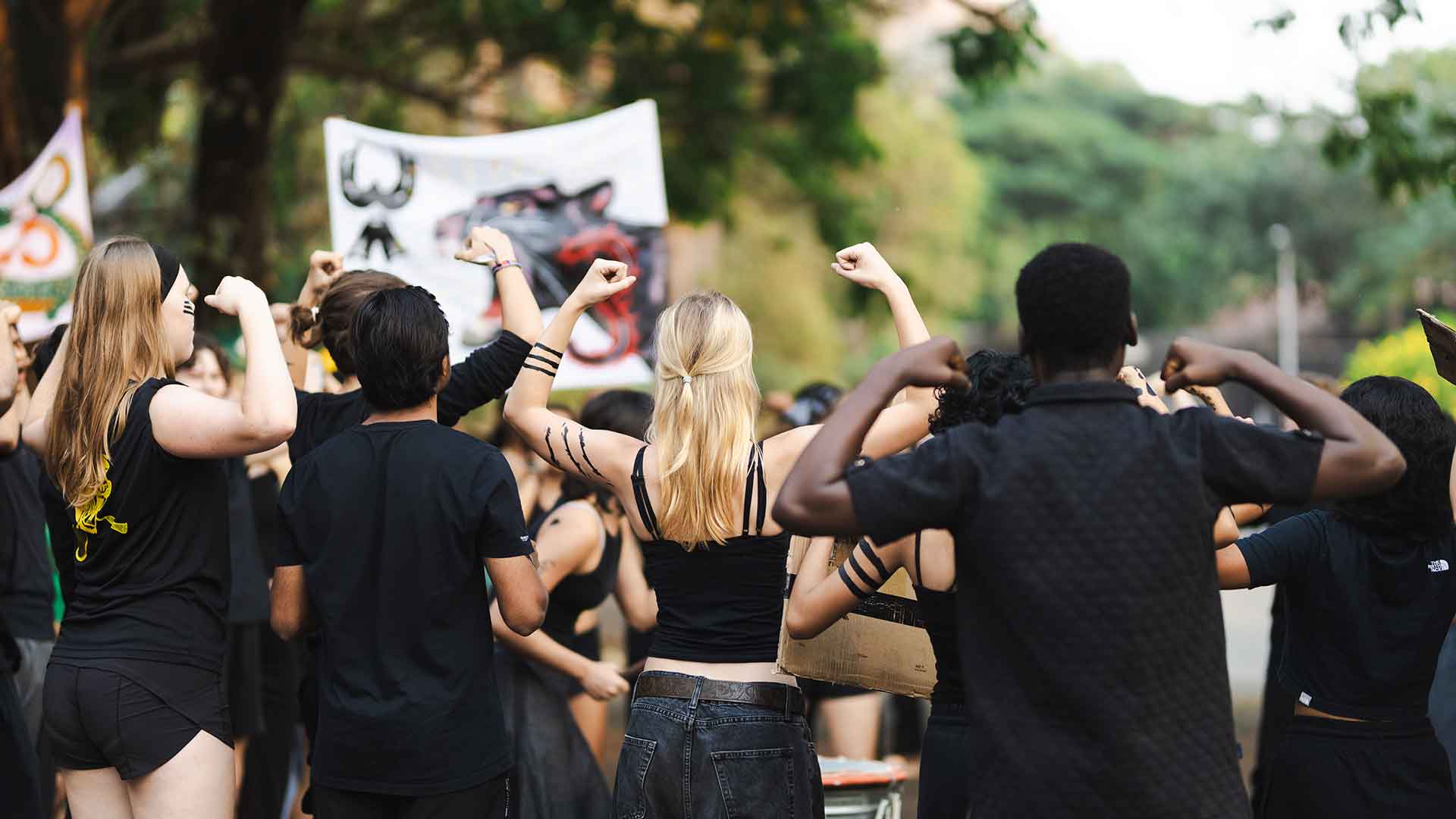
Students designed inclusive games that made room for different personalities and strengths, ensuring that participation wasn’t limited to the loudest voices or the most competitive players. The event’s impact wasn’t only on the activities themselves, but on the culture it reinforced: a campus where everyone is seen, included, and celebrated.
What I remember most is the energy. It was joyful and festive and it reminded me how powerful experiential learning can be when it is created by the community, not just delivered to it.
Experience India Week and Project Week: Learning through lived realities
Two of MUWCI’s signature experiential learning weeks, Experience India Week (EIW) and Project Week, continued to be powerful learning spaces across the year. Students explored themes such as:
- History and identity
- Food systems and lived culture
- Religion, art, and storytelling
- Community dynamics and local realities
What matters is not the topic alone, but how students engage with it, through place-based learning and local partnerships. These experiences allow students to discover India’s diversity not as an academic idea, but as something they encounter directly through conversation, observation, collaboration, and reflection. This is where learning becomes real.
Outdoor and ecological education: Resilience, responsibility, and perspective
A growing focus this year was strengthening MUWCI’s ecological and outdoor learning experiences.
Time in nature has a unique way of shifting perspective. It pushes students beyond comfort zones, teaches interdependence, and invites a quieter kind of reflection, one that is often difficult to access in everyday campus life.
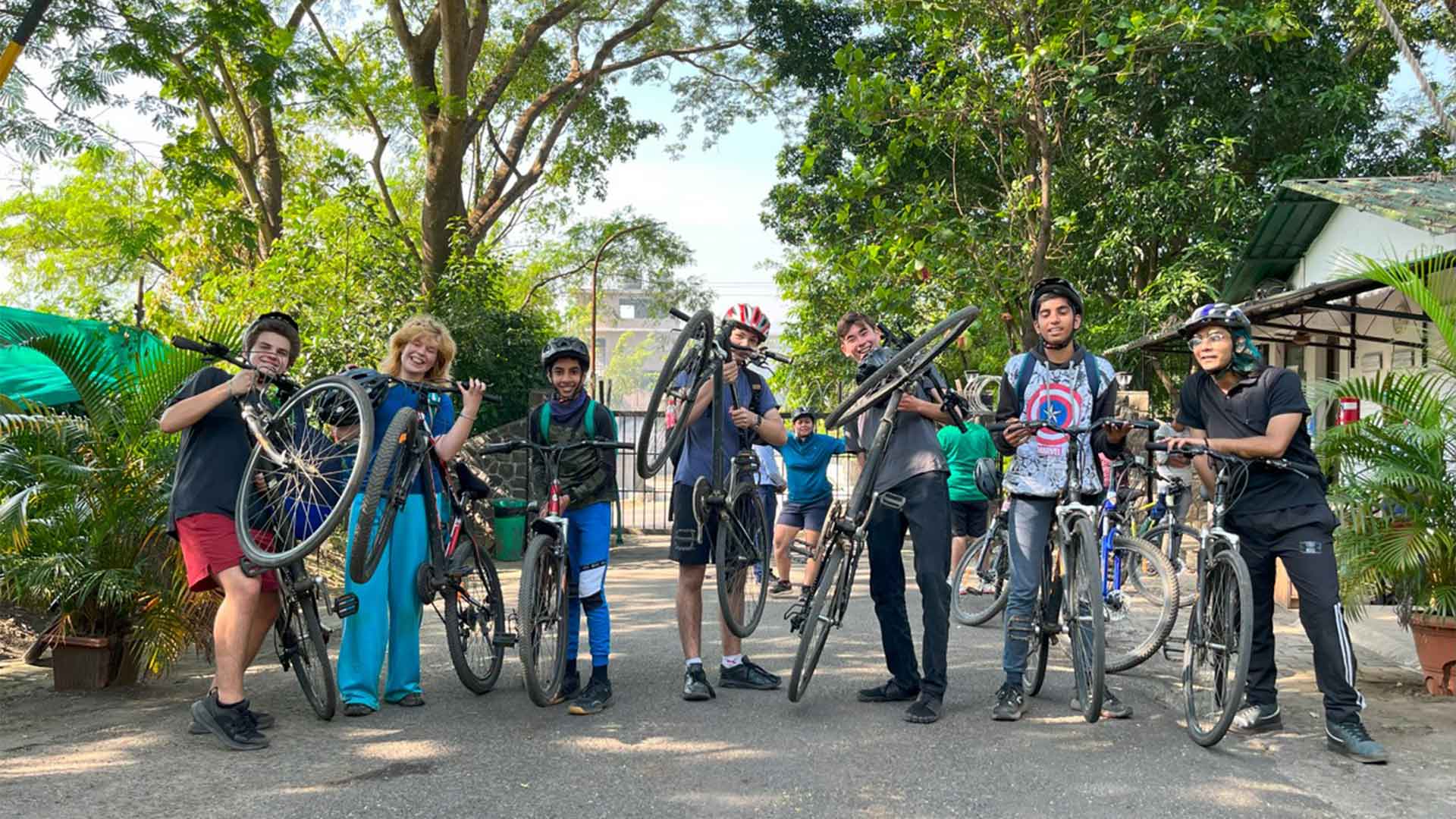
Whether it’s hiking, camping, learning technical outdoor skills, or building sustainable habits in the field, outdoor education at MUWCI creates space for students to discover strength and self-awareness. It also reinforces what it means to live and learn responsibly in the Western Ghats.
Student outcomes: What experiential learning helps develop
Over the year, experiential learning at MUWCI supported outcomes that are central to the UWC philosophy and the IB learner profile. Students strengthened:
- Collaboration: Working across differences in high-trust environments
- Leadership: Designing and leading initiatives, not just joining them
- Reflection: Making meaning of experience through intentional processing
- Courage and curiosity: Stepping into unfamiliar environments and perspectives
- Sustainability mindset: Practising responsibility through ecological learning
These are not outcomes that show up only in a transcript, but they shape the kind of people students become.
Looking ahead: Deepening reflection and partnerships
In the coming year, my focus is on deepening three areas:
- Reflection practices: Strengthening how students reflect so that learning becomes more intentional, grounded, and transferable.
- Local partnerships: Nurturing partnerships in the Mulshi Valley with care and reciprocity, ensuring students learn with communities, not just in them.
- Ecological programmes: Expanding outdoor and ecological learning opportunities to support resilience, sustainability, and self-discovery.
My hope is that Triveni continues to remain a space where young people discover they are capable of far more than they think.