There are some days when the world feels like it pauses — just for a moment — to ask us: what kind of voices are we raising, and for whom?
UWC Day is happens to be one of those days. Celebrated every year on the International Day of Peace, UWC Day feels more like a reminder, almost a gentle nudge from the universe. A reminder that education is not just about what we know, but about what we do with our knowing. It is about voices—quiet ones, loud ones, uncertain ones, even trembling ones—that dare to say: we choose peace.
This year’s theme is “Voices for Peace.” At first glance, those words may seem simple, even obvious. Who wouldn’t want to be a voice for peace? But when I sit with the phrase longer, I realise that peace is not an abstract idea, nor is it just the absence of conflict. Peace is the language we create when we sit together at dinner. It is in the moment we pause before judging another and in the patience we offer when someone struggles to find the right words in a language that is not their own. Peace is also in the unseen labour of community: cleaning shared spaces, staying awake in uncomfortable conversations, showing up for one another even when it is not convenient, and learning to live with both conflict and compassion side by side.
Peace in the Ordinary
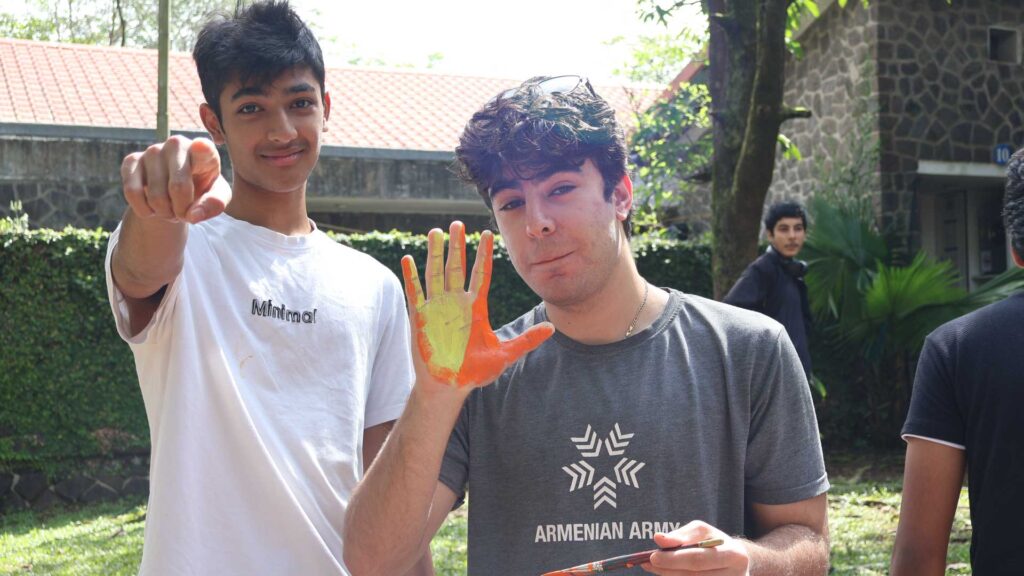
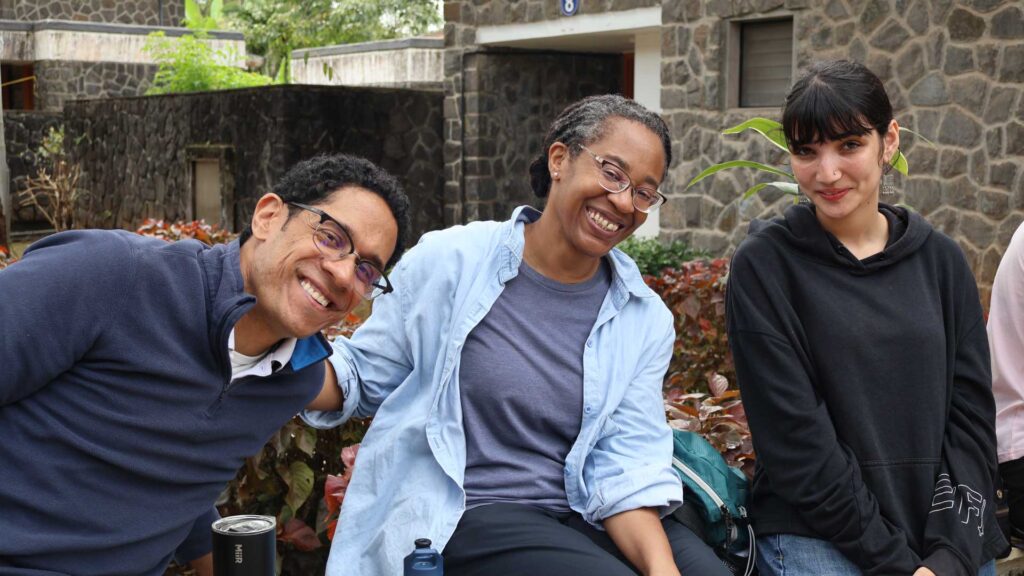
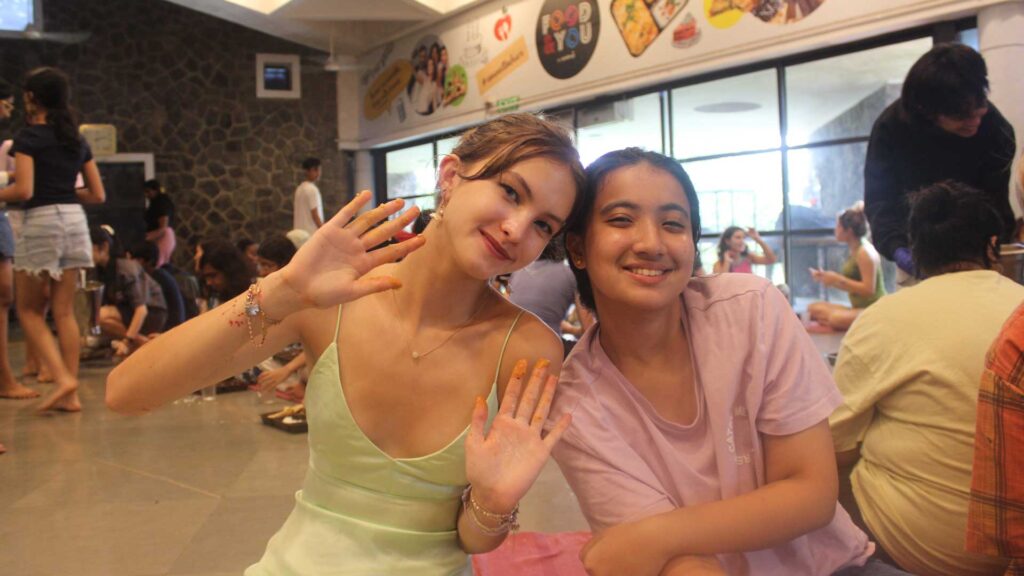
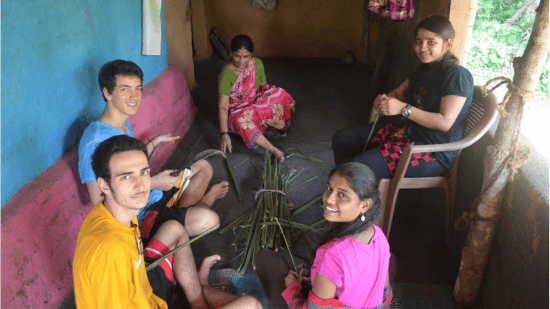
At MUWCI, I see peace not in grand gestures, but in ordinary moments. It lives in the nod exchanged between two students who may never have spoken before but recognise each other as part of the same community. It lives in the act of lowering one’s voice so a roommate can rest, or in the careful attempt to pronounce a name correctly, honouring the story that name carries. It lives in the simple act of cooking for one another—rice, bread, or noodles that taste like home—and in those moments of recognition when a student feels less alone because someone cared enough to share. These may seem small, but they accumulate. Over time, they shape a culture, one where peace is not a lofty speech but a lived practice.
The Work of Living Together
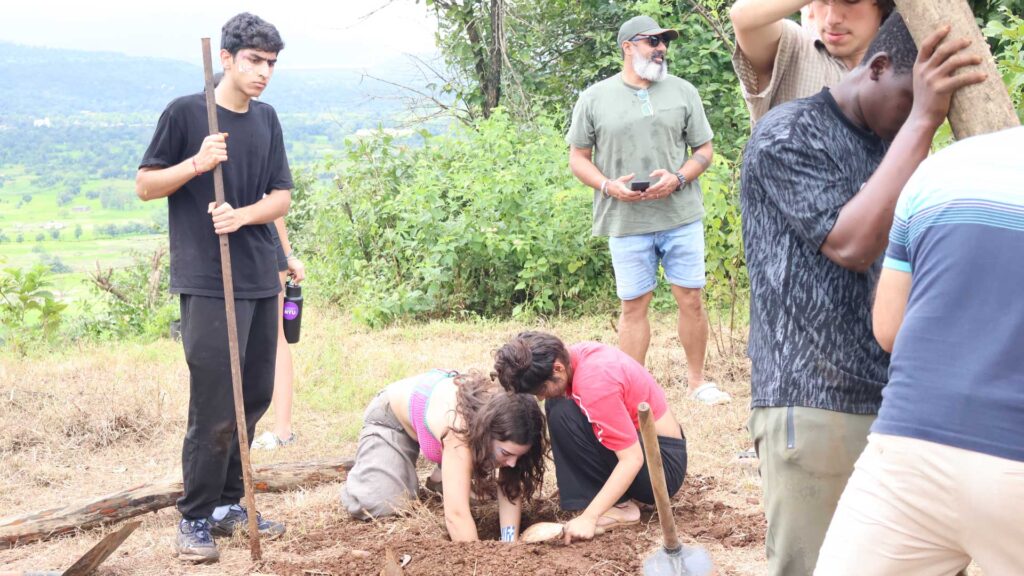
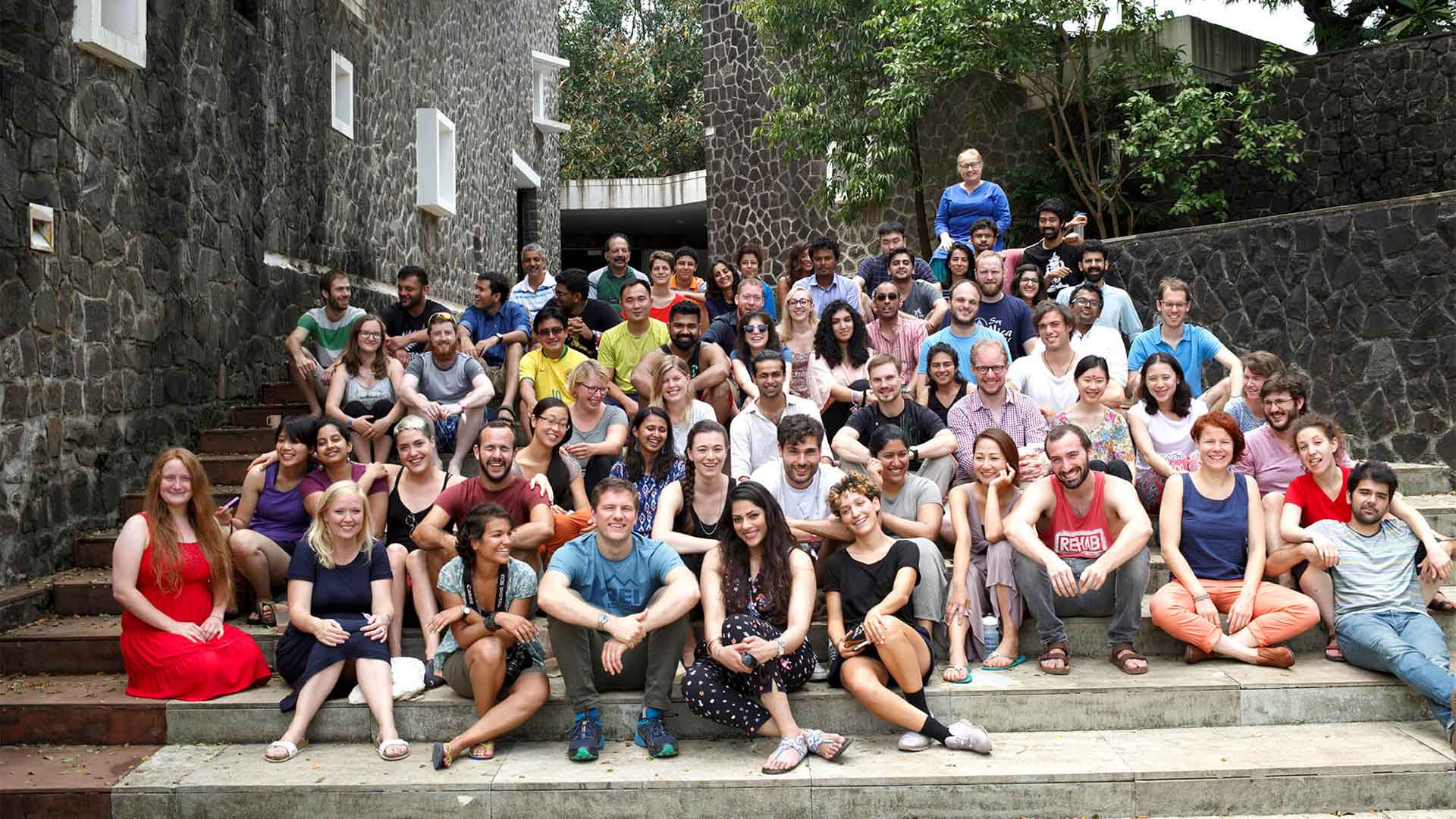
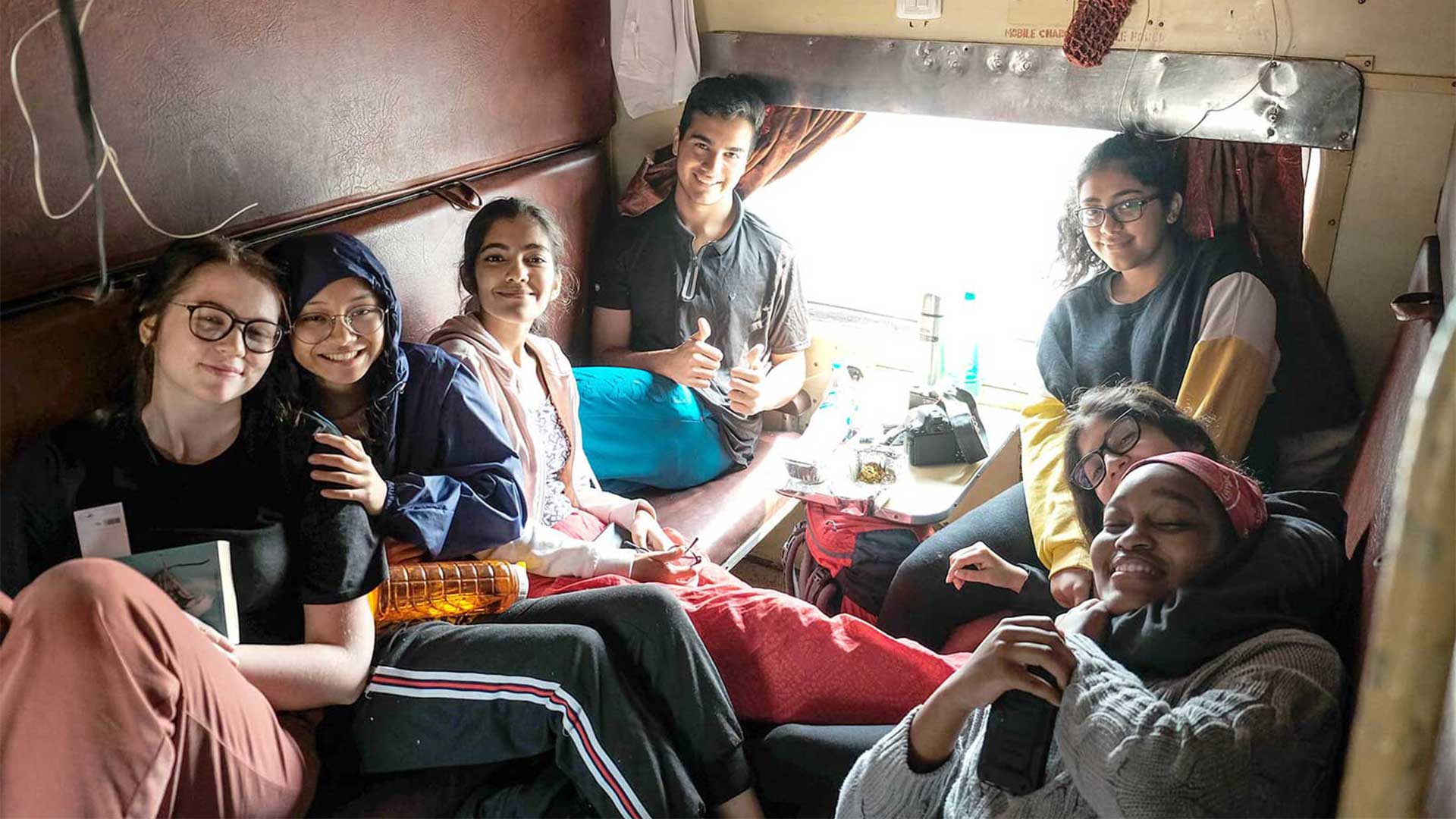
Of course, living together is not always easy. With 240 students from different countries, speaking various languages, holding diverse faiths, and having different rhythms of life and assumptions, clashes are inevitable. Someone plays their music too loudly. Someone forgets to clean the common room. Someone makes a joke that lands as hurtful. Someone feels unseen, unheard. In those moments, the temptation is often to withdraw, to retreat into one’s own corner. Yet peace asks for something much harder: engagement. It asks us to remain in relationship, to return to the table even when it is uncomfortable, and to repair what has been broken instead of letting it fester. Conflict, I have come to realise, is not the opposite of peace. Indifference is. When we give up on one another, when we stop trying to care—that is when peace falters.
Listening as an Act of Peace
One of the most radical acts of peace is listening. Truly listening. Not just waiting for your turn to speak, but letting another person’s story enter you, unsettle you, and expand you. At MUWCI, this often means being patient with pauses, honoring silences, and making room for voices that are hesitant or shy. It also means listening even when the words are fluent but difficult to hear—when they challenge the stories we grew up with, when they push against our comfort zones. Peace is tested most in those moments. Can we allow another’s truth to exist beside our own? Can we honor the dignity of someone who sees the world differently from us?
Peace as Courage
Peace is also courage. It is not passive, nor is it about staying silent to avoid discomfort. It is about daring to speak up against injustice, daring to apologise when we are wrong, and daring to name harm even when it is unpopular to do so. For our students, courage may mean standing beside someone who feels isolated because of who they are. It may mean calling out stereotypes, even in a joke. It may mean saying, I was wrong, and I am sorry. Courage can be quiet, almost invisible, but it is always there, strengthening the fabric of peace.
The Polyphony of 250 Voices
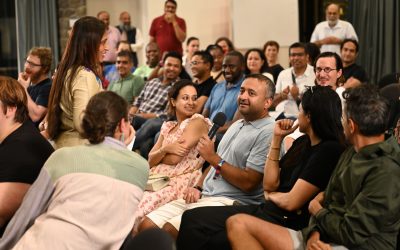
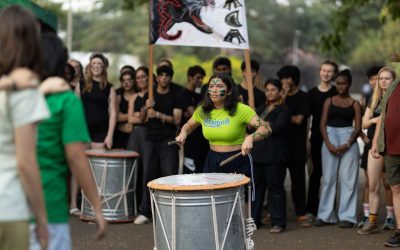
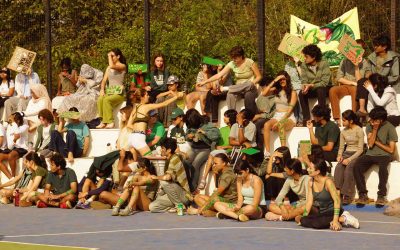
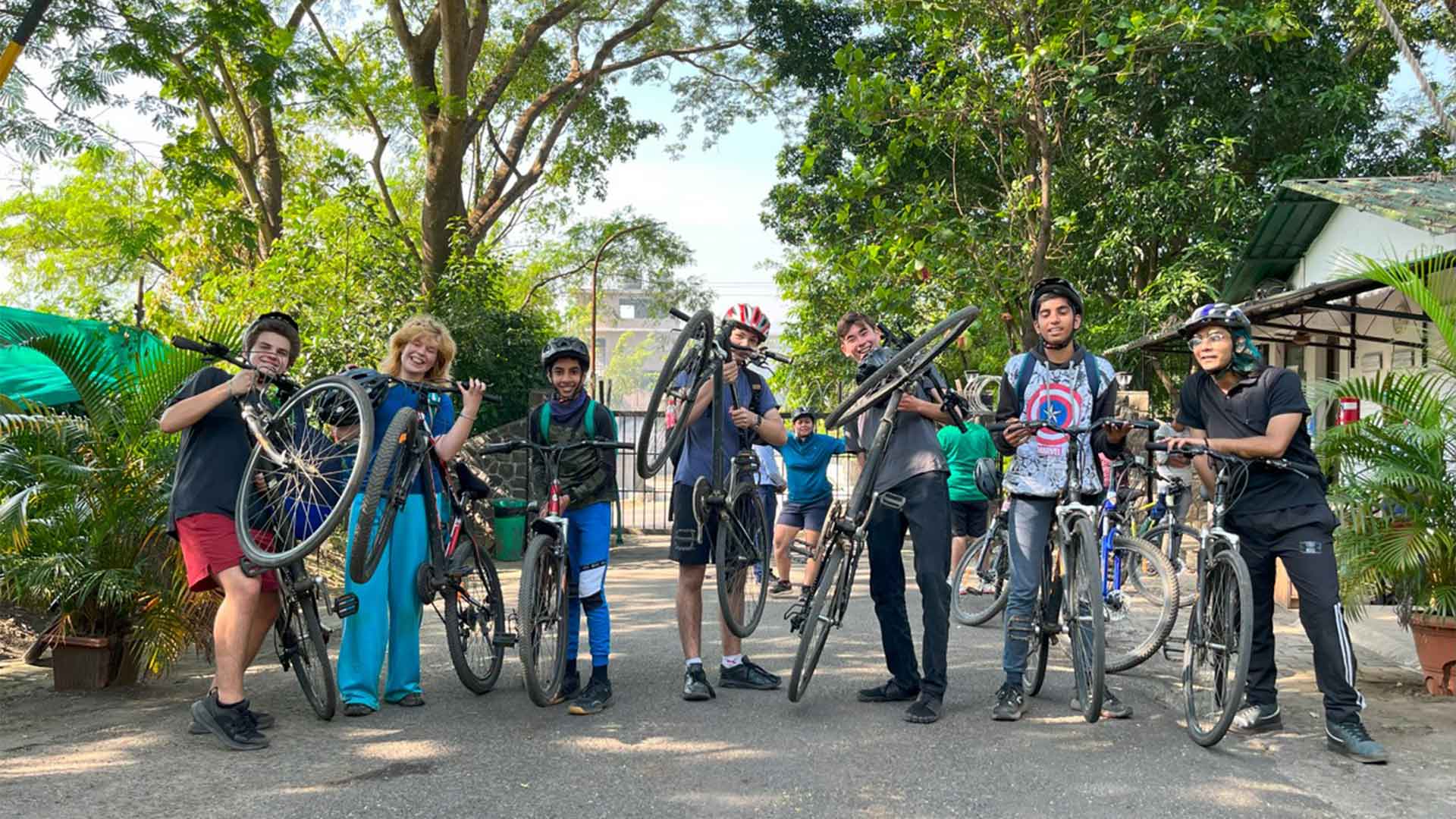
What strikes me most about our campus is the sheer diversity of voices. No two are alike, and yet together they form a kind of chorus, a polyphony. I hear laughter spilling from the dining hall, arguments flaring in classrooms, music drifting from wadas late at night, and poetry spoken in assemblies. Each voice carries its own story, its own rhythm, but together they remind me of something larger: we can live differently. We can create spaces where compassion is not weakness, where cooperation is not naïve, and where peace is not only possible but tangible, even if just for a moment.
The Fragility of Peace
Still, peace is fragile. It can be undone quickly—by cruelty, by arrogance, by neglect. A single harsh word can sometimes linger longer than a hundred kind ones. Trust takes months to build and seconds to break. That fragility can feel discouraging at times, but it also makes peace precious. Like glass, it must be held with care. It cannot be taken for granted; it requires constant tending. But fragility is not the same as weakness. Peace may be delicate, but it is also enduring. It survives through the will to return, to rebuild, to begin again.
The Fierceness of Peace
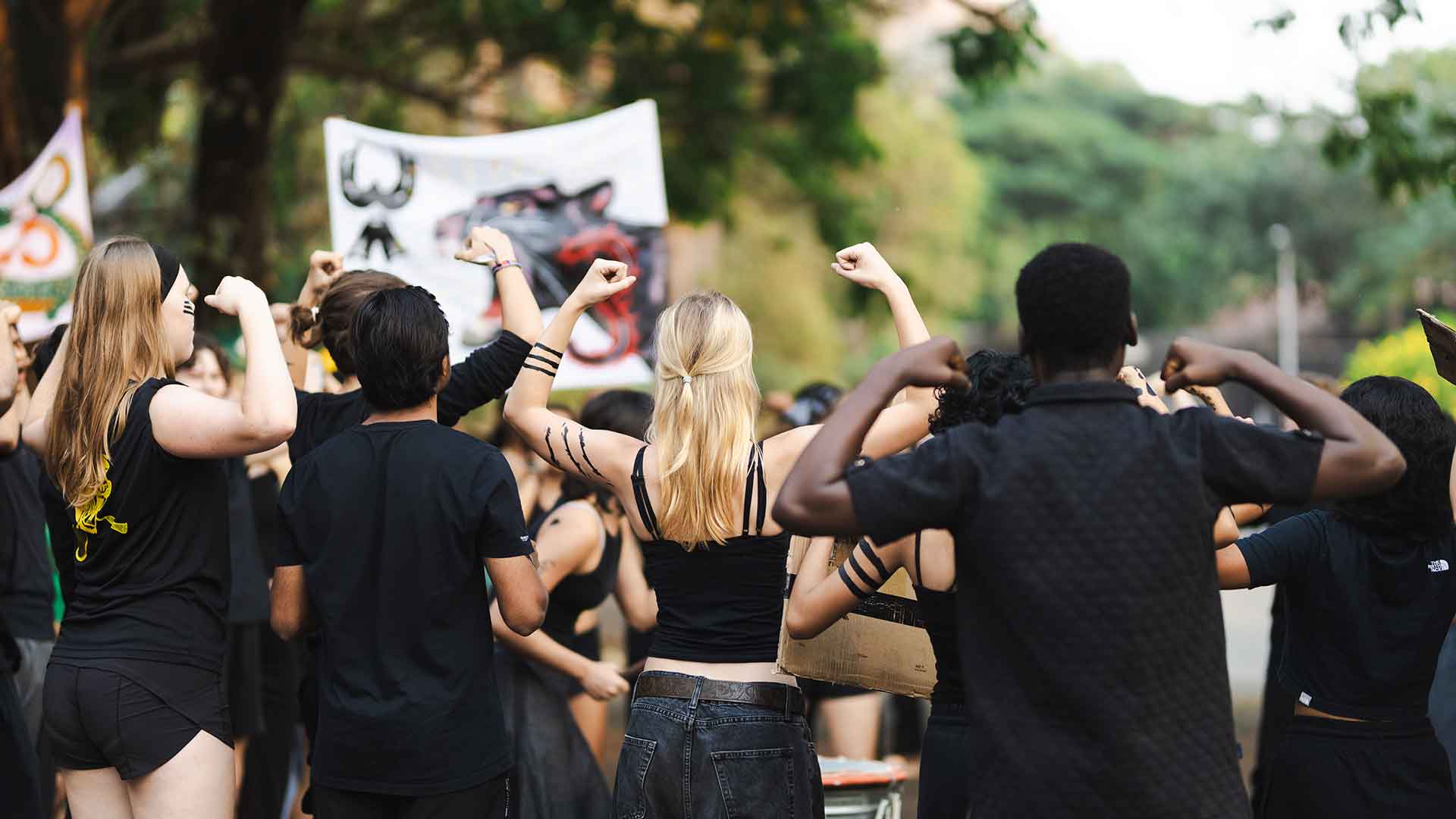
And peace is fierce. It resists the easy pull of division, the temptation of “us versus them.” It insists on the harder path of coexistence, dialogue, and repair. Fierceness shows itself in students who refuse to let stereotypes stand unchallenged, in those who continue conversations after tears have fallen, in those who sit beside someone grieving and offer not answers but presence. To practice peace is to take the risk of vulnerability again and again, even when it would be easier to close off. That is not weakness—it is strength.
Education as a Peace Project
In many ways, UWC has always been a peace project disguised as education. It was founded on the idea that if young people from different nations, ideologies, and cultures could live together, they would learn to see one another not as strangers or enemies but as fellow human beings. At MUWCI, education is not only about lessons in classrooms. It is found in late-night conversations, in the resilience forged through homesickness, in the humility learned when we discover that our worldview is not universal. Here, learning is as much about empathy as it is about knowledge, as much about community as it is about individual achievement.
Choosing Peace
And so today, as we stand together, I hold on to this thought: peace is not a distant utopia waiting to be discovered one day in the future. It is a daily practice, unfolding in the choices we make, in the voices we raise, in the silences we keep, in the respect we show. Our voices—sometimes soft as whispers, sometimes roaring like rivers—are what will carry it forward.
To the MUWCI community, to all UWC schools around the world, and to everyone who still dares to believe in the fragile and fierce possibility of peace: may our voices not just speak, but also listen. May they not just echo but also build. Because peace, like education, is not a gift. It is a choice. And today, once again, we choose it.